

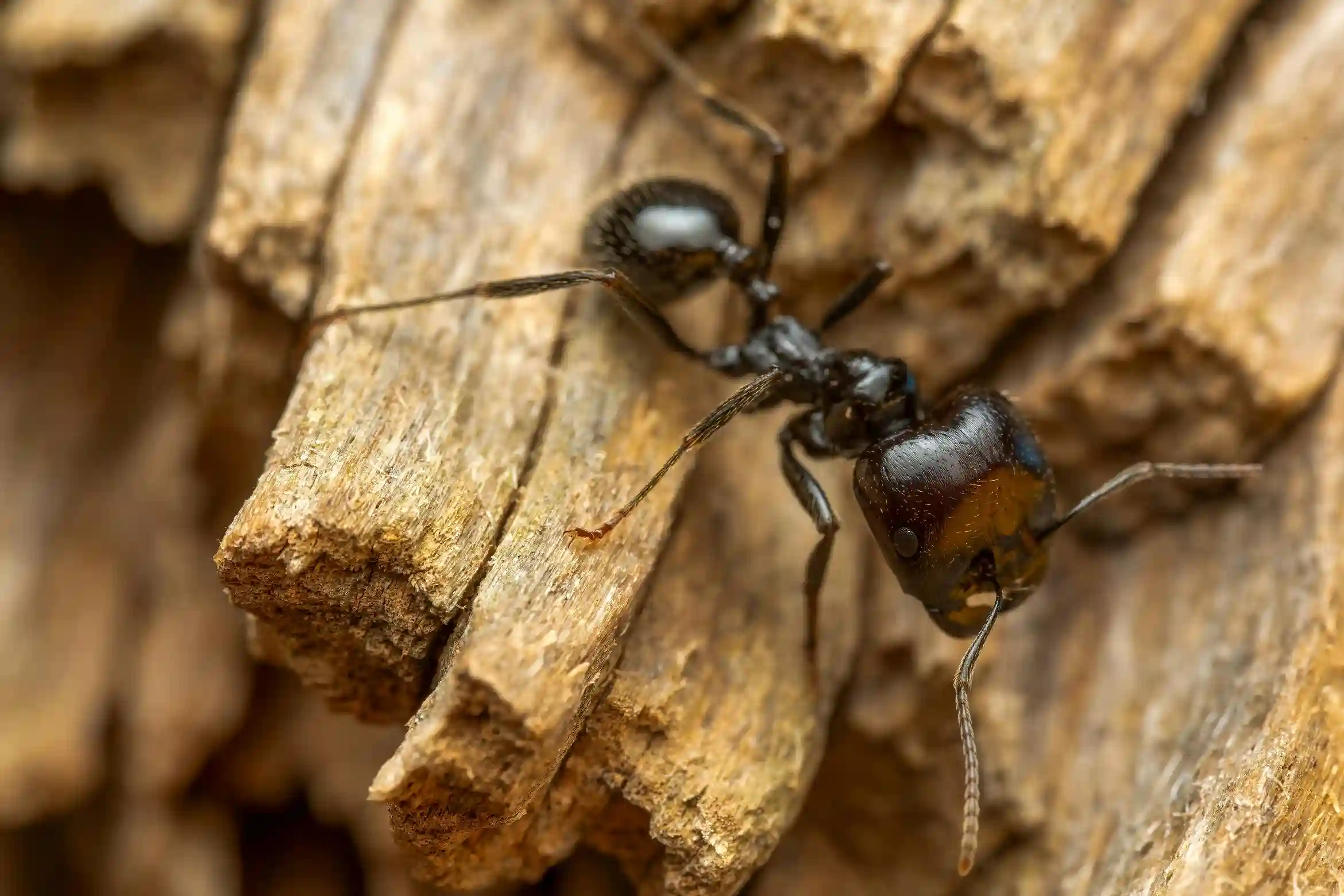
Messor structor - hardworking ants that bake bread and run a household wisely
Messor ants behave like a real little farm, and you can watch it all right at home. We explain how their life is arranged and why this species is so interesting, even if you've never given ants a thought before.
Take a look inside a Messor nest - and you'll see storerooms filled to the brim with grain. These ants live off the harvest. Some spend all day gathering seeds in the field, others keep house at home, and each has its own job. Together it makes a well-run underground household the size of your palm, and it lives not in the tropics but right here in our steppes.
Who the Messor ants are
Messor structor, the steppe harvester ant, has its home in the dry meadows and steppes of southern and central Europe, and it's found in Moldova too. It's a small, calm ant with a way of life that's easy to follow. And why it's called a harvester becomes clear the moment you see what it feeds its family.
Harvesters, not hunters
An ordinary ant has to catch something to feed its family. Messor lives differently. It finds a ripe seed and carries it home, and along a single trail thousands of grains reach the nest in a day. One such seed can be several times heavier than the worker itself, but that doesn't bother the ant. Messor ants don't turn down protein either - they'll pick up a dead insect - but they won't go out of their way to chase live prey. That's what makes them like peasants - their whole life revolves around gathering, not hunting.
How grain becomes «ant bread»
Bringing in the grain isn't enough - it still has to be processed. First the workers clean the husks off the seeds and carry them to the storerooms. When it's time to feed the larvae, the largest ants crush the grains with their powerful jaws and chew them into a moist, nourishing paste. That's exactly what it's called - «ant bread».
All-rounders and strongmen
Just like on a peasant farmstead, where one is in the field, another at the oven, and the heaviest work falls to the strongest, Messor ants have no narrow trades either. Most are ordinary workers, good at everything. They gather seeds, tend the brood and keep the house in order. Some ants are born larger, with a big head and powerful jaws - these are called soldiers. It's they who most often crush the hardest grain, though at a pinch an ordinary worker manages too. Size is set from birth and doesn't change over the years. And above the whole household is the queen. She neither commands nor works the field - her job is to lay eggs, from which new workers and soldiers hatch.
Order in the underground home
A Messor nest isn't a random scatter of tunnels but a thought-out household. They set aside the dry chambers as granaries, where the grain doesn't go mouldy and keeps for months. The queen and the brood they keep in deeper, damper chambers - the larvae need moisture to grow. And if somewhere gets too damp or, the other way, too dry, the ants simply move both the grain and the offspring to a more suitable spot. This is no longer blind instinct but real household management.
But are they really farmers?
Strictly speaking, Messor ants aren't farmers. They don't sow or grow plants on purpose - the real «agriculturalists» among ants are the tropical leaf-cutters, who tend fungus gardens underground. Messor ants only gather what has grown on its own. But by their habits - reaping the harvest, threshing, storing in granaries and baking «bread» - they're closer to a peasant than almost any other insect.
A quiet life on a schedule
Messor ants are neither fussy nor aggressive. They don't sting - at most they might give a light nip with their jaws if you keep pestering them, and even then you barely feel it. And the colony absolutely needs its rest. In winter Messor ants go dormant for a couple of months, and without such a winter rest the queen lives less and the family grows worse.
Messor ants don't chase prey and don't wage war without need. Their strength lies elsewhere - in patient work, in stores, and in the knack of surviving both the heat and the winter.
GoodAntShop
Why Messor ants are recommended for beginners
A farm like this is astonishingly interesting to watch. You see the workers hauling seeds, the granaries growing, the big soldiers grinding grain and the queen laying eggs. Care is simple - a handful of seeds once a week, a dry arena and a calm winter rest. You needn't catch live food or fuss with prey - seeds are enough, and a dead insect will do for protein. Add the calm temperament and the fact that the species lives in our climate, and it becomes clear why Messor structor is considered the best choice for a first colony.
Want to see an ant farm with your own eyes? Messor structor is the easiest way to start, and we'll help you at the start and guide you through every step.
See the Messor antsFAQ
Do Messor ants bite or sting?
They don't sting. At most a Messor might give a light nip with its jaws if you keep pestering it, but for a person that's almost unnoticeable.
What do you feed Messor ants?
The basis of their diet is seeds and grains. A dead insect works for protein, and Messor ants don't need to chase live food. Overall it's one of the cheapest species to feed.
Is it true that Messor ants need a winter rest?
Yes. A couple of months of cool rest in winter is normal for them. Without a winter rest the queen lives less and the family develops worse.
Read also
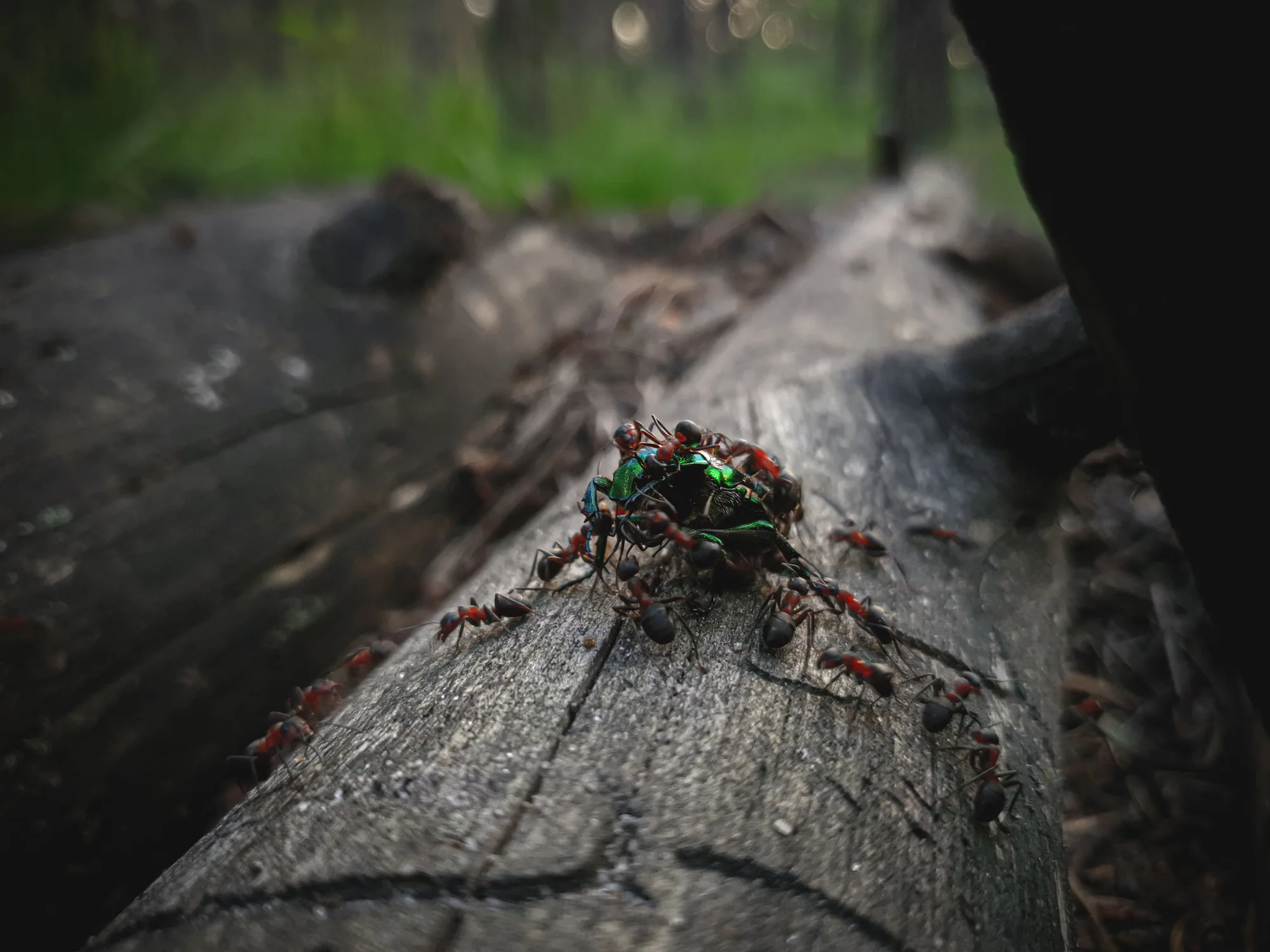
What to feed ants at home - a colony menu from syrup to live food
Adult ants hardly eat solid food at all, and protein is needed first and foremost by the larvae. We explain how a colony feeds itself, what to give different species, how often to feed and what should never go into the arena.
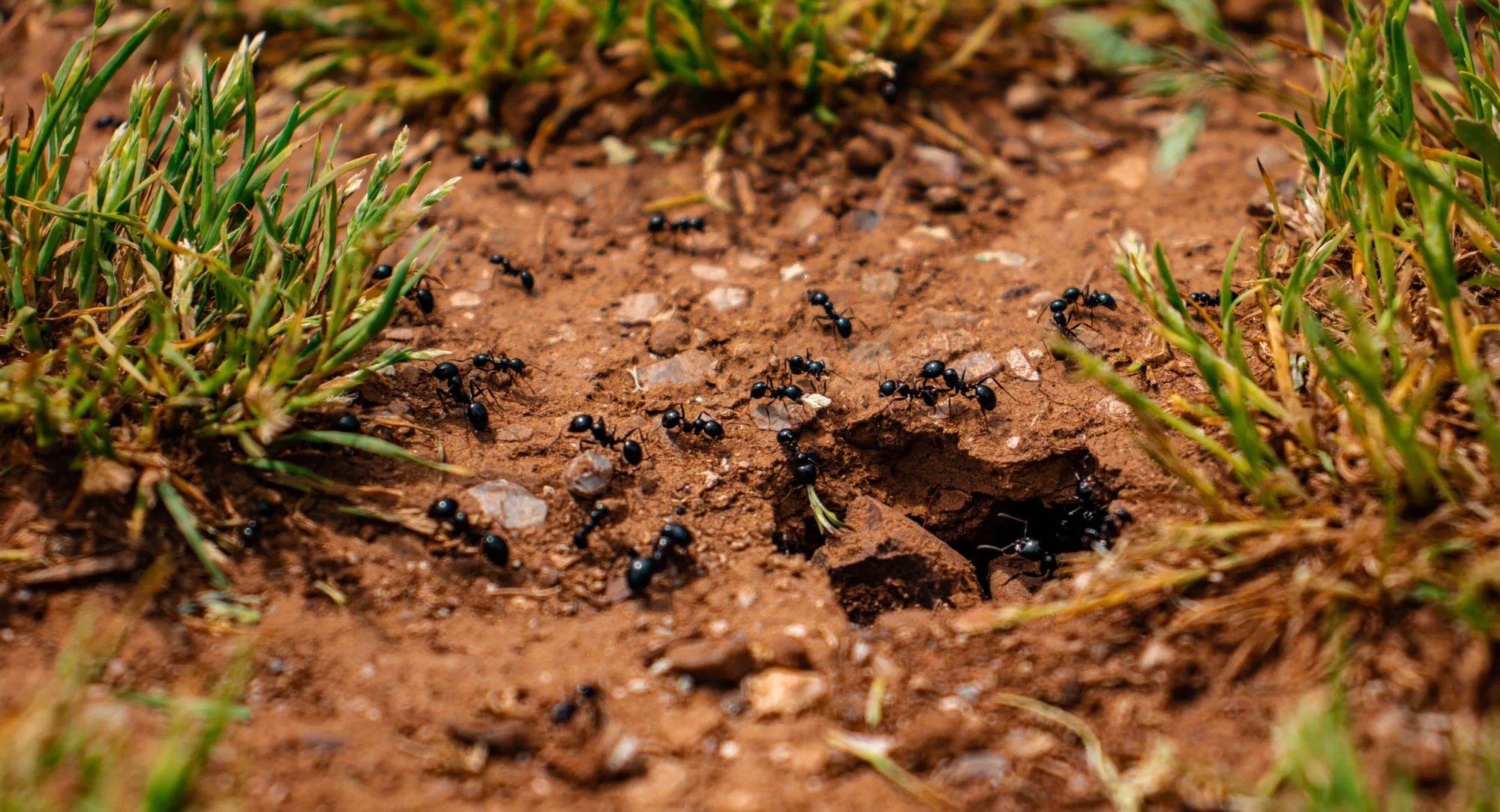
Ants - a single mechanism where every cog makes the colony stronger
Thousands of tiny insects come together as one living organism where everyone has their place. We explain why an ant colony is so captivating and why you can watch it for hours.