
Ants - a single mechanism where every cog makes the colony stronger
Thousands of tiny insects come together as one living organism where everyone has their place. We explain why an ant colony is so captivating and why you can watch it for hours.
Picture an ant that spends its whole life hanging motionless from the ceiling of the nest, swollen with stores of food - a living pantry for the whole family. And that's just one detail from the lives of creatures that are almost helpless on their own, yet together build underground cities, wage wars, herd «livestock» and even teach the young. Each one does its job, and together they achieve what is unthinkable alone. Let's take a closer look at this world, and at the end we'll show how to watch it right at home.
An example of a perfect society
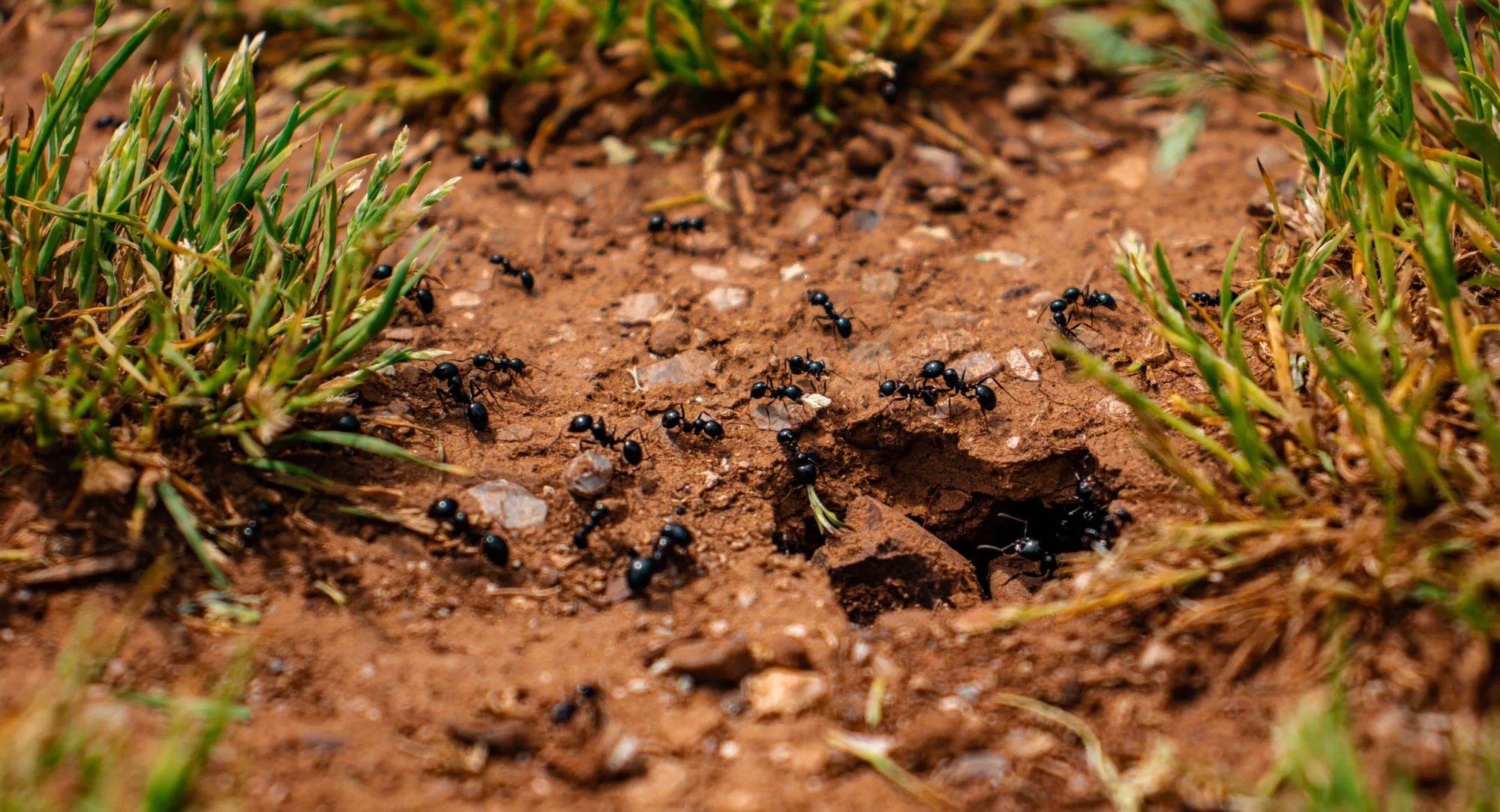
Ants are one of the brightest examples of collective intelligence in nature. A single ant knows little, but thousands together decide where to build the nest, where to go for food and whom to send hunting. The colony is even called a «superorganism», because it acts like one large creature, and the individual ants in it are like the cells of a single body.
Everyone has a role in the mechanism
There are no idlers in an anthill. Every ant is born for a specific task, and large species even have separate «castes» with their own looks and duties. Here are just a few of the jobs you can find in a colony.
- Soldiers - border guards
- Large individuals with massive jaws. In some species they guard the nest and borders, in others they use the same strength to crush hard seeds.
- Harvesters - the anthill's bakers
- They gather seeds and grind them into «ant bread» - a nutritious paste used to feed the larvae.
- Living barrels - food stores
- Some species have storage ants that keep food right inside their own body and share it with the colony on hungry days.
- Herders - aphid shepherds
- Many ants «herd» aphids, protecting them from enemies for the sweet liquid they secrete, just like farmers with their herd.
- Nurses and scouts
- Nurses tend the eggs and larvae, while scouts find food and lead the others to it.
Everything thought out to the last detail
A colony's life is far more complex than it seems. Ants hunt together and even attack prey much larger than themselves. They also keep order in the nest and wisely divide the chambers, using dry ones for food stores and leaving damp ones for the brood.
No dictatorship
Despite the name, the queen doesn't run the anthill. Her job is to lay eggs and give life to new generations. Where to move, where to look for food, when to attack and when to defend - the colony decides together, without commanders. Power here belongs not to one, but to all at once.
The language of scents and touches
Ants «talk» without words, through pheromone scents and light taps of their antennae. That's how they raise the alarm, call for help and mark the way to food. There's no voting - usually the most active ants take the initiative, and a successful trail is quickly picked up by the whole colony, leading it onto the best route.
In an anthill, the colony's interests always come before one's own. In danger, workers unhesitatingly shield the queen and the brood with their own bodies.
GoodAntShop
And you can watch all this at home
The most amazing part is that you can follow this life right at home, through the clear walls of a formicarium. The colony makes no noise, has no smell and takes up very little space, and watching it is interesting for kids and adults alike. Before your eyes, a family started from a single queen gradually grows into a real city, and you'll witness the whole journey yourself. It's like a tiny living world on your desk.
Want to see it live? Start with a simple queen-right colony, and we'll support you at the start and guide every step.
Choose a colonyFAQ
Are ants dangerous to keep at home?
No. The colony lives in a closed formicarium the ants can't escape from. Beginner species are not aggressive and have no smell.
Which species is best to start with?
A good choice for beginners is Messor Structor - a calm seed-eating species that's easy to watch and care for.
Read also
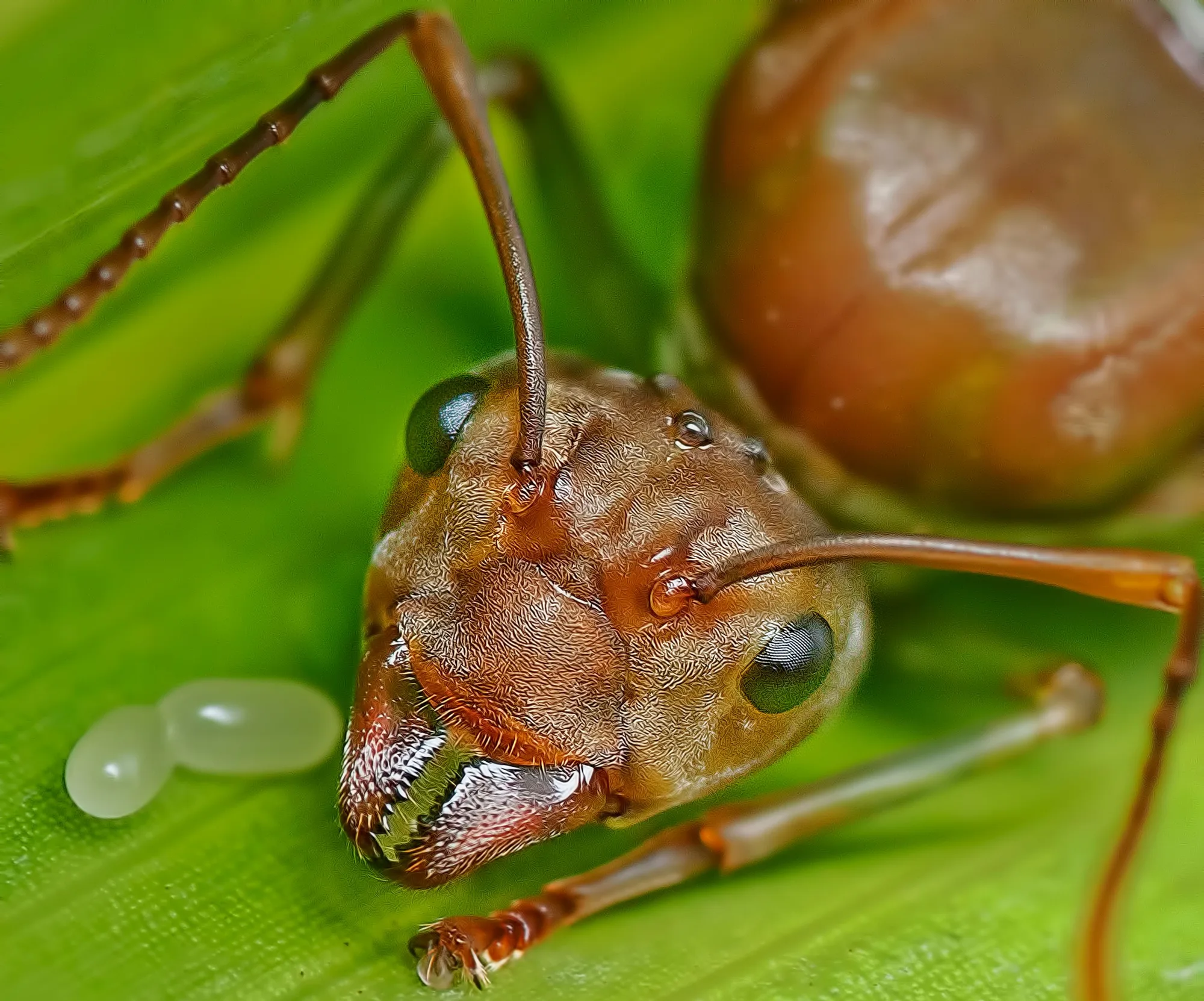
The ant queen - the heart of the colony that gives no orders
In a single summer evening a winged female becomes the founder of a family of thousands of ants, and sometimes she lives for decades. We explain how she pulls it off and why the «queen» holds no real power.
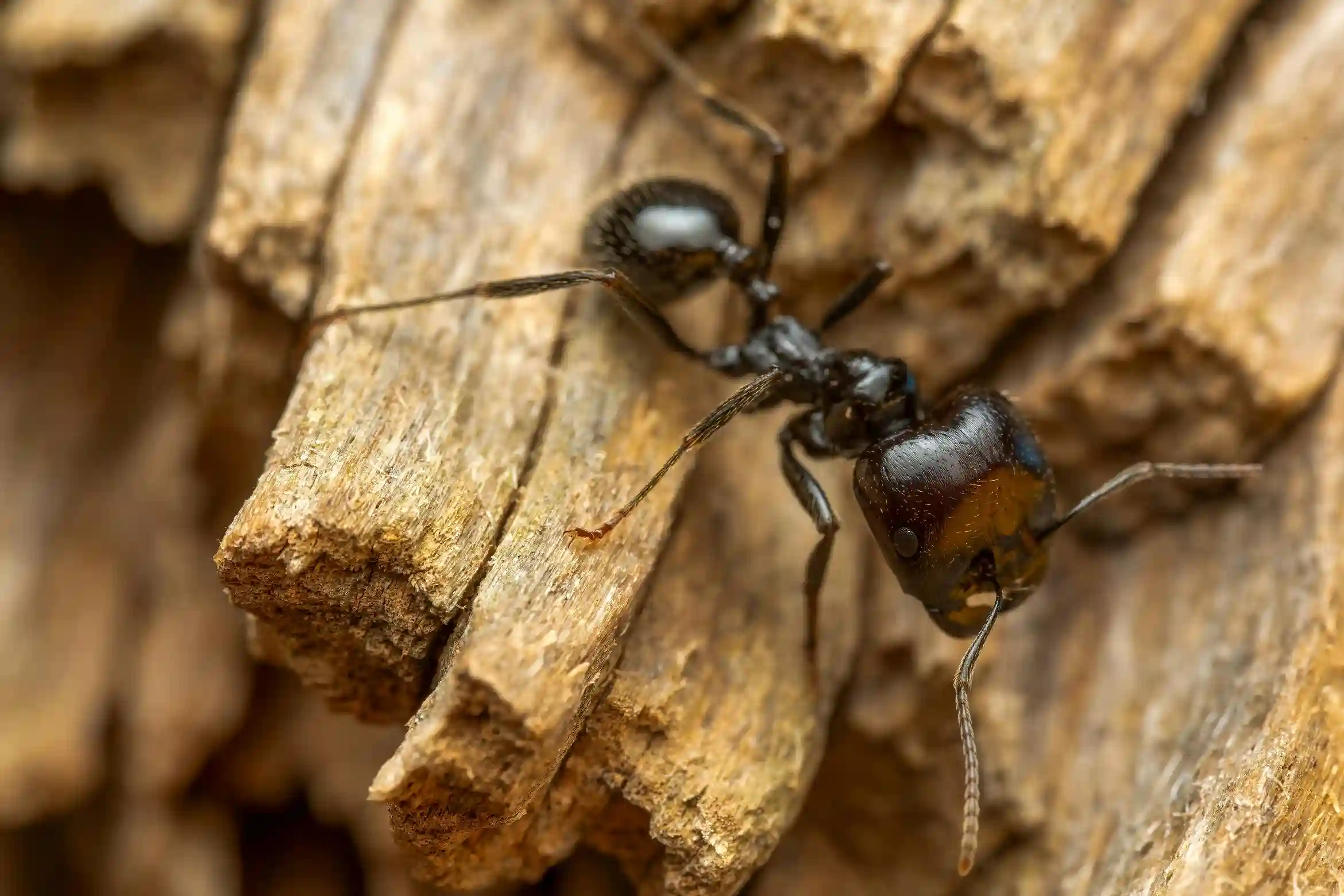
Messor structor - hardworking ants that bake bread and run a household wisely
Messor ants behave like a real little farm, and you can watch it all right at home. We explain how their life is arranged and why this species is so interesting, even if you've never given ants a thought before.