
What to feed ants at home - a colony menu from syrup to live food
Adult ants hardly eat solid food at all, and protein is needed first and foremost by the larvae. We explain how a colony feeds itself, what to give different species, how often to feed and what should never go into the arena.
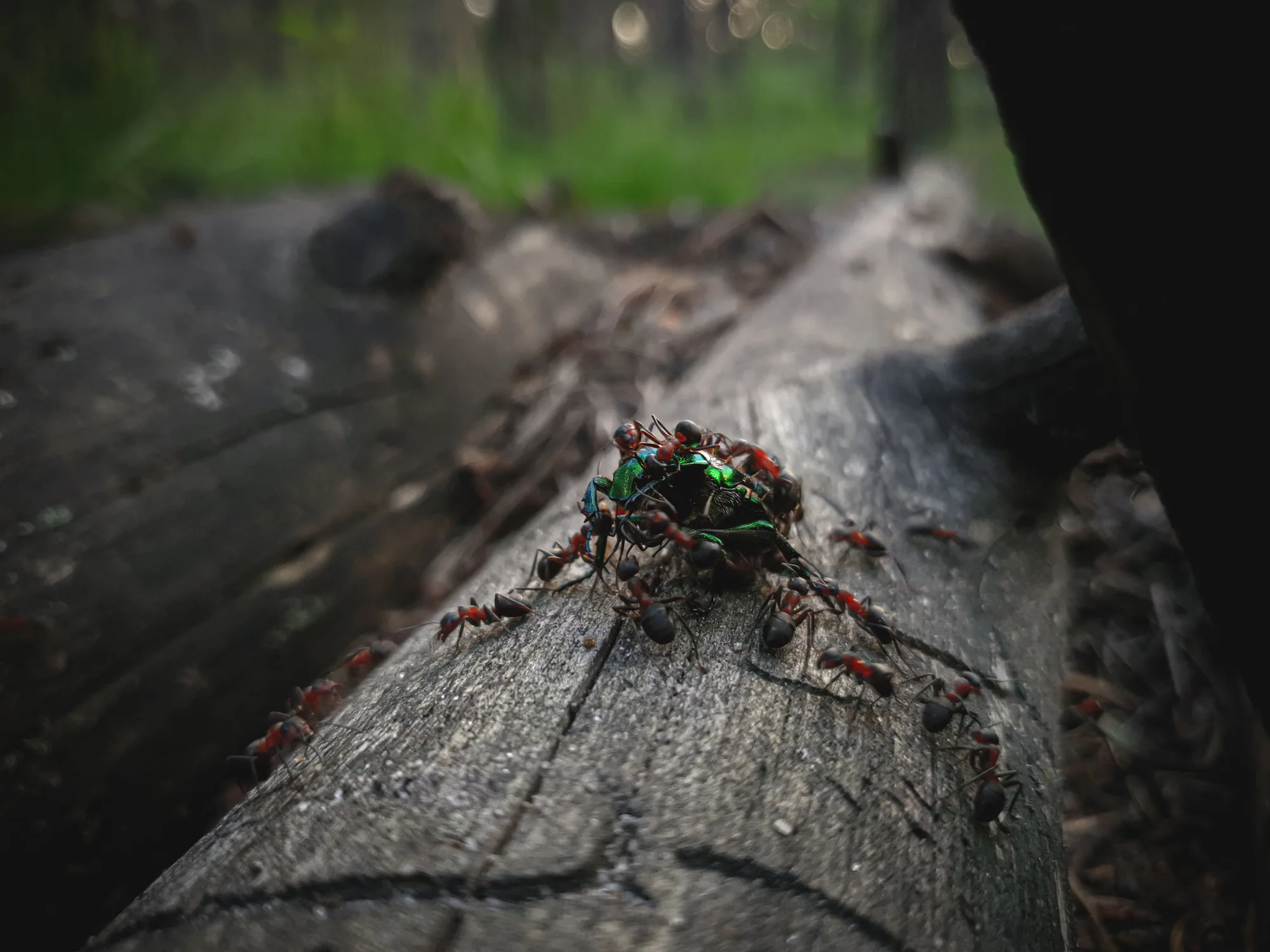
Drip a little syrup into the arena, and within a minute a queue will form at the drop. Some ants drink and head back into the nest with swollen abdomens, while others drag off a piece of insect twice their size. The colony has its own kitchen, and it's run more cleverly than it looks. Let's see what pet ants eat, how often to feed them and which mistakes most often wipe out a young colony, and at the end we'll put together a simple plan for every species in our catalogue.
Two courses on the colony menu
Almost all ants need two things - sweet food and protein. Sweet food is the «fuel» for the workers who run around the arena, build the nest and keep it clean. Protein is needed not so much by them as by the colony's «children», that is, the larvae. Without it the queen lays fewer eggs and the larvae grow slowly. If a colony suddenly stops growing, the first thing to check is whether it's getting enough protein.
One stomach for the whole family
An ant has a narrow «waist», and solid food barely gets through it. That's why adult workers live on a liquid diet and carry bits of insects and grain to the larvae. The larvae digest the food and share the nourishing liquid with the rest of the family. Every worker also has a «social stomach» - the crop, from which it regurgitates food for its sisters. A drop of syrup drunk at the entrance spreads through the whole nest within an hour.
What to give different species
The plan depends on who lives in your formicarium. Harvesters like Messor structor are happy with a mix of small seeds, and one container lasts a colony for years. Insects are good for them too, since the brood grows faster on them, but they're a supplement, not the staple. Lasius neglectus and Formica rufibarbis live on syrup and insects, and Formica ants, being keen «hunters», need a particularly generous share of insects.
How often and how much
The golden rule - give as much as the colony will eat in a day. Remove the leftovers with tweezers the next day, or they'll go mouldy. Feed only in the arena, never in the nest - the brood lies in the chambers, and rotting food there is dangerous. Below are some guidelines that make a handy starting point.
- A founding queen with no workers
- Don't feed her. For the first weeks she lives off her body's reserves, and extra food only brings mould.
- A young colony, up to 20 workers
- A drop of syrup every 2-3 days and an ant-sized piece of insect once a week.
- A growing colony
- Syrup is always available and changed every 2-3 days, insects 2-3 times a week.
- Messor ants
- A pinch of seeds whenever the grain in the arena runs out, plus an insect once a week as a supplement.
- Before the winter rest
- Stop giving insects 1-2 weeks beforehand, syrup and seeds can stay.
You can tell a well-fed colony not by a heap of food in the arena, but by clean chambers and a growing brood.
GoodAntShop
What not to give
Beginners lose colonies to overfeeding more often than to hunger. Honey is thick and ferments quickly, and small workers get stuck in it, so sugar syrup is a safer choice. Better not to use insects caught outdoors - they can carry pesticides and parasites. Salty, fatty and spicy food from your table is bad for ants, and big chunks of meat rot before they can be eaten. Ants always need water, but not in an open dish, as they drown in it. We showed how the waterer and the humidifier work in the starter kit guide.
Not sure what to feed your colony? We'll match the food to the species and the number of ants - we'll support you at the start and guide you through every step.
Ant foodFAQ
How often should you feed ants?
A young colony does fine with a drop of syrup every 2-3 days and a piece of insect once a week, while a growing one needs insects 2-3 times a week. Give as much as they'll eat in a day. For Messor ants the staple of the diet is seeds.
Can you feed ants honey?
Sugar syrup is better. Honey is thick and ferments quickly, and small workers get stuck in it. If you do give honey, dilute it with water and change it every couple of days.
What should you do if the colony isn't growing?
Most often it's short of protein or warmth. Add live food, for example a feeder beetle culture, and check the temperature near the nest. If that doesn't help, write to us - we'll sort it out together.
Read also
The starter kit - a step-by-step plan from test tube to top floor
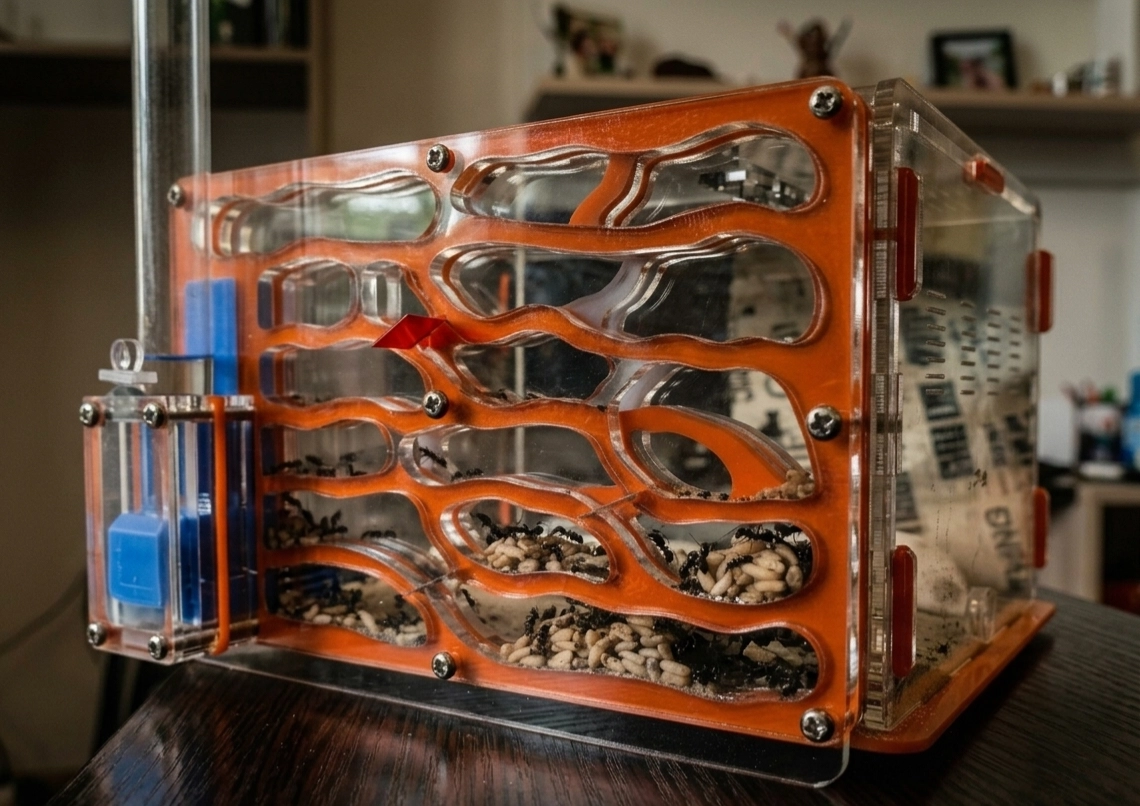
The formicarium, the test tube with the colony and the little jar of grain are already at home. When to connect the arena, what to feed and how often, and when to open new floors - we've broken it all down step by step, with photos of the formicarium.
Messor structor - hardworking ants that bake bread and run a household wisely
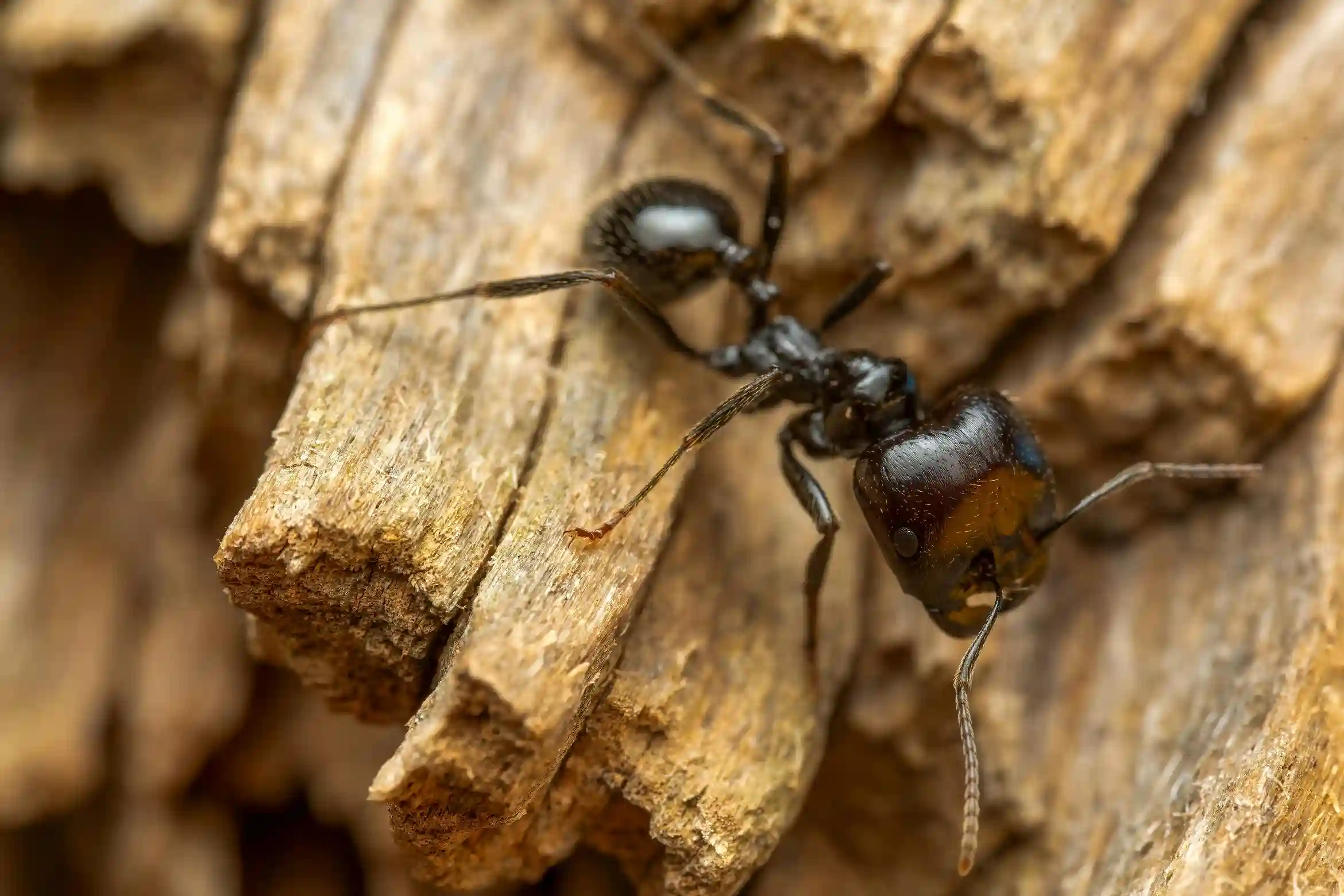
Messor ants behave like a real little farm, and you can watch it all right at home. We explain how their life is arranged and why this species is so interesting, even if you've never given ants a thought before.