

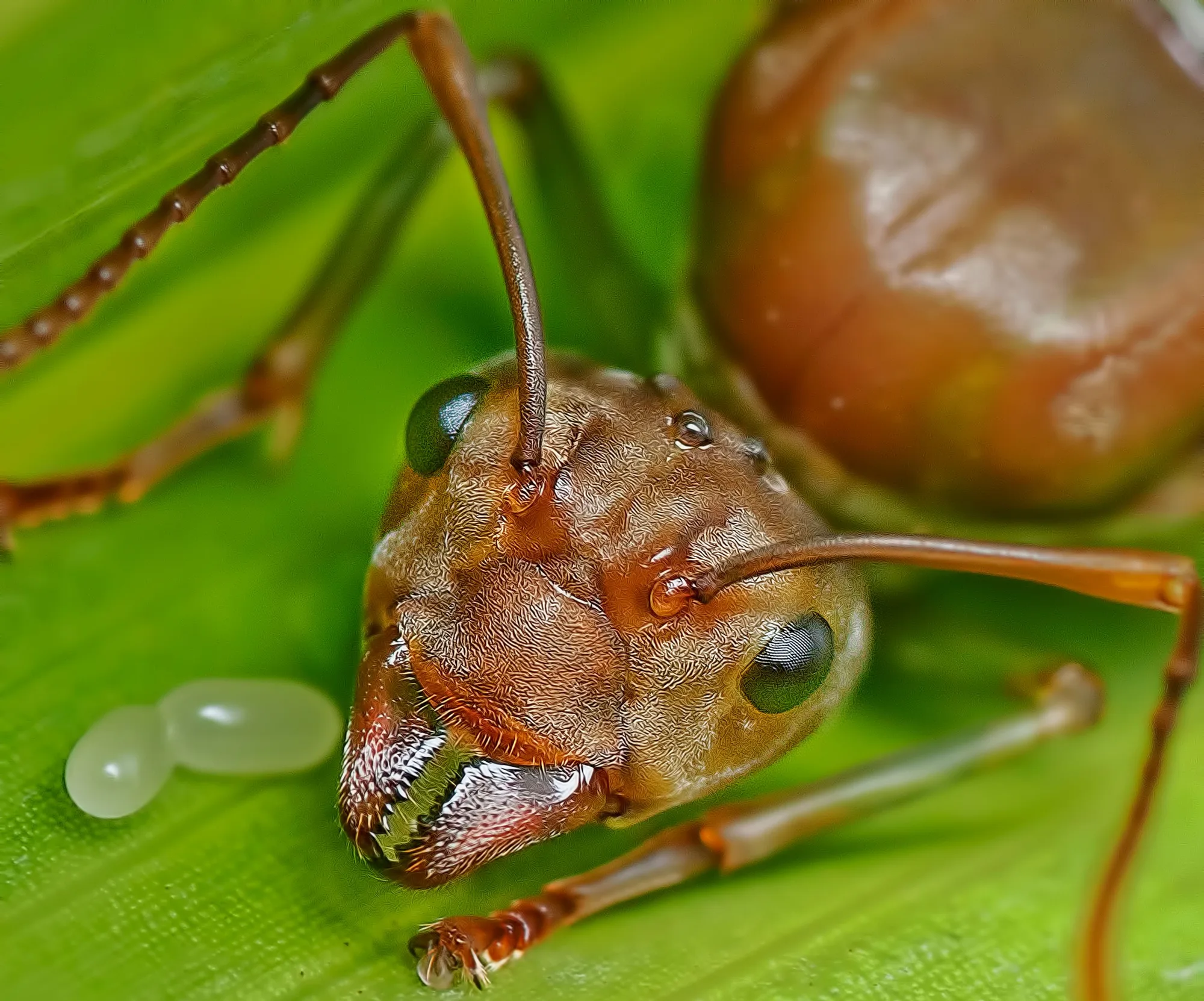
The ant queen - the heart of the colony that gives no orders
In a single summer evening a winged female becomes the founder of a family of thousands of ants, and sometimes she lives for decades. We explain how she pulls it off and why the «queen» holds no real power.
A warm evening after a summer rain. Hundreds of winged ants crawl out of cracks in the asphalt and from under paving stones, climb up blades of grass and take to the air one after another. Most of them won't live to see the morning. But a few of the females will, in a couple of years, become queens of colonies with thousands of workers. Here's how that journey unfolds, how long a queen lives and why the title «queen» is misleading, and at the end we'll explain why you can't buy a colony without her.
A wedding in the sky
Winged females and males fly out of different nests on the same evening - the same warm, humid weather wakes them all. This is the «nuptial flight», the only time in their lives that ants take to the sky. Pairs find each other right in mid-air. The males soon die, while the female drops to the ground and sheds her wings - she will never need them again.
Alone in a sealed chamber
The young queen digs a small burrow, seals the entrance and lays her first eggs. In many species she doesn't go out or eat for the next few weeks - she feeds the larvae from her own body's reserves, its fat and the flight muscles she no longer needs. The first workers grow up small, and keepers call them «nanitics». They open up the nest, bring in the first food, and from that day on the queen has only one job - laying eggs.
The heart, not the head
The word «queen» is misleading. She doesn't rule, doesn't give orders and doesn't know where the food is today or which tunnel needs fixing. The colony makes those decisions by itself - thousands of workers swap scents and touches, and out of these tiny signals the colony's actions take shape. The queen is more like the «heart» of this «superorganism». Her scent tells the family she is alive and well, and she tirelessly gives the colony new generations.
- Queen
- The only one who lays eggs. She almost never leaves the nest.
- Workers
- Also females, but wingless and, as a rule, with no offspring of their own. Whether a larva becomes a queen or a worker depends on the food and care it receives.
- Majors
- Large workers with a powerful head, found in Messor and Camponotus ants. They crush grain and guard the entrance.
- Males
- They appear once a year just for the nuptial flight and live for a few weeks.
How long an ant queen lives
Workers live anywhere from a few months to a couple of years, and males even less. Compared with them, the queen is a champion of longevity. In many species she lives for more than ten years, and the record belongs to the black garden ant Lasius niger - almost 29 years in a lab. At home a queen owes her long life to peace and quiet, steady warmth, the right food and a yearly rest, which we covered in our article on wintering Messor ants.
The queen gives no orders. She gives the colony its future.
GoodAntShop
Why you can't buy a colony without a queen
Without a queen no new workers appear, and the family slowly fades away, however well you look after it. That's why every colony in our catalog comes with a queen. In species with several queens, like Lasius neglectus, losing one is no disaster, and such families grow especially fast. And if you'd like to see the whole story from the very beginning, take a small colony and watch the queen and her first workers turn an empty formicarium into a city.
Want to see how a single queen raises a whole city? Choose a colony from the catalog - we'll support you at the start and guide every step.
Choose a colonyFAQ
How long do ant queens live?
In many species, more than ten years. The record is almost 29 years, held by a queen of the black garden ant Lasius niger kept in a lab. Workers live from a few months to a couple of years.
Can a colony live without a queen?
Not for long. Without a queen no new workers appear, and the family slowly fades away. In species with several queens, such as Lasius neglectus, losing one is no disaster. Every colony in our catalog comes with a queen.
When do ants have their nuptial flight?
For the black garden ant Lasius niger - warm, humid evenings in July and August, often after rain. Other species have their own timing, anywhere from spring to autumn.
Read also
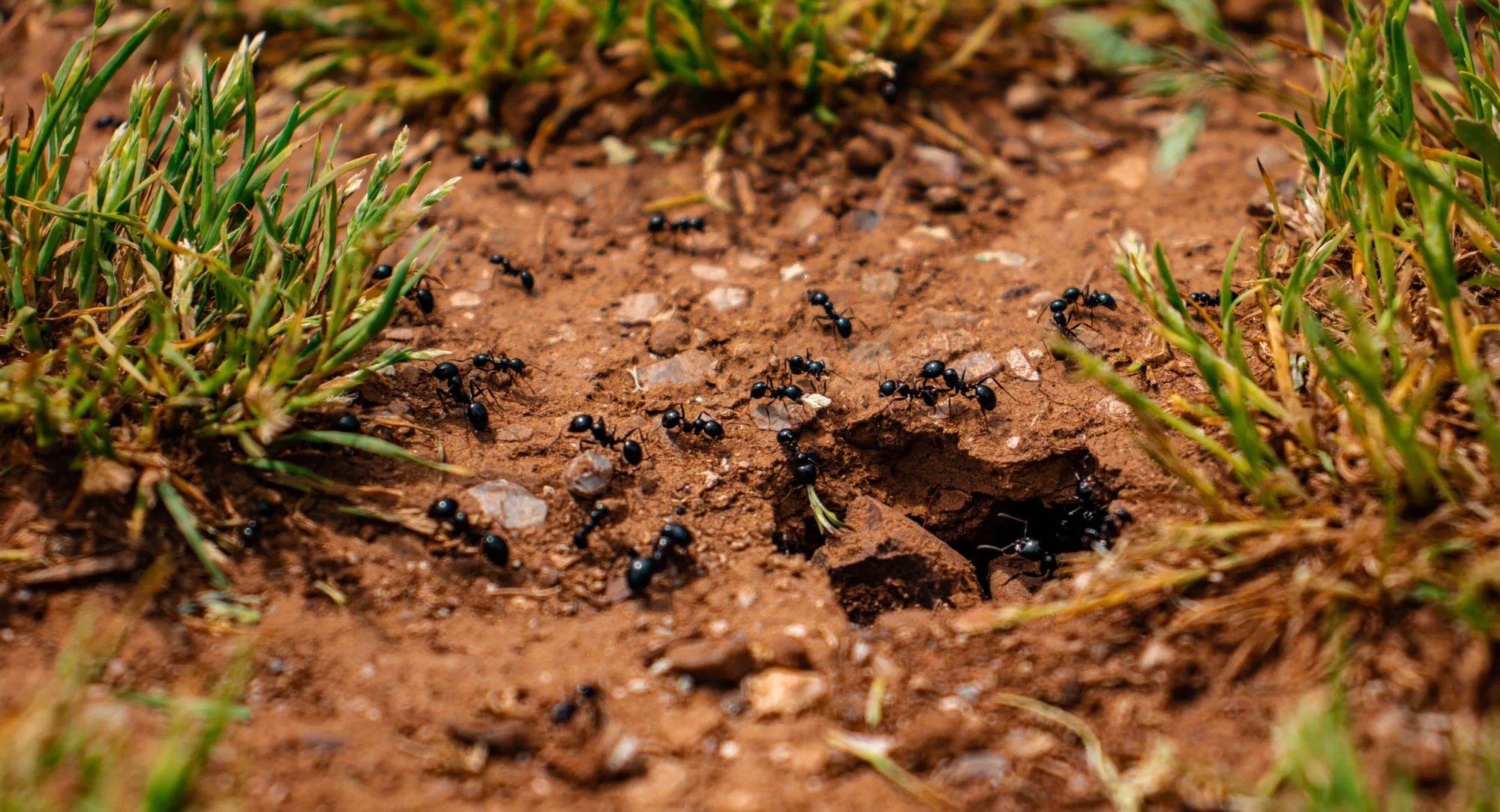
Ants - a single mechanism where every cog makes the colony stronger
Thousands of tiny insects come together as one living organism where everyone has their place. We explain why an ant colony is so captivating and why you can watch it for hours.
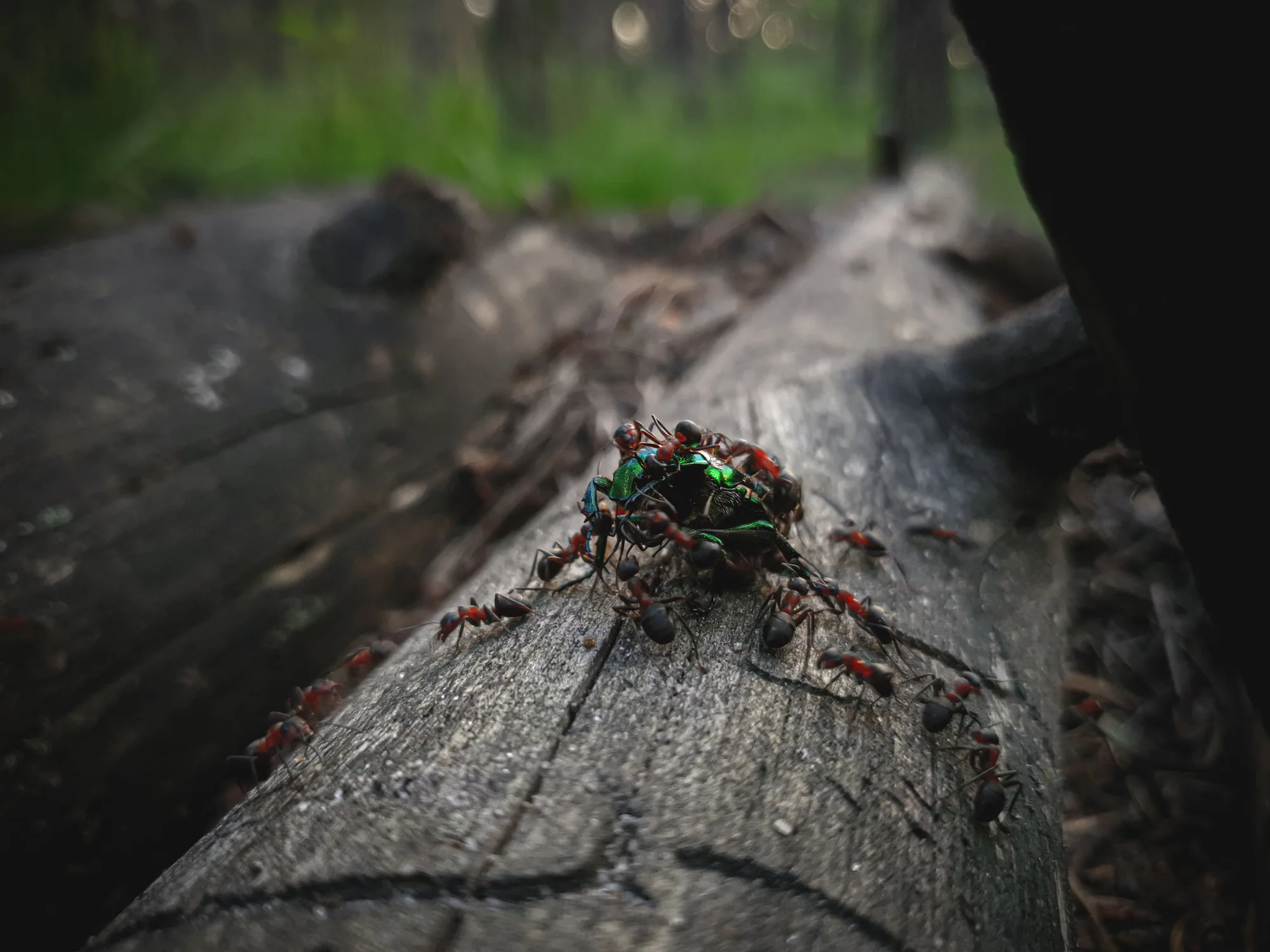
What to feed ants at home - a colony menu from syrup to live food
Adult ants hardly eat solid food at all, and protein is needed first and foremost by the larvae. We explain how a colony feeds itself, what to give different species, how often to feed and what should never go into the arena.